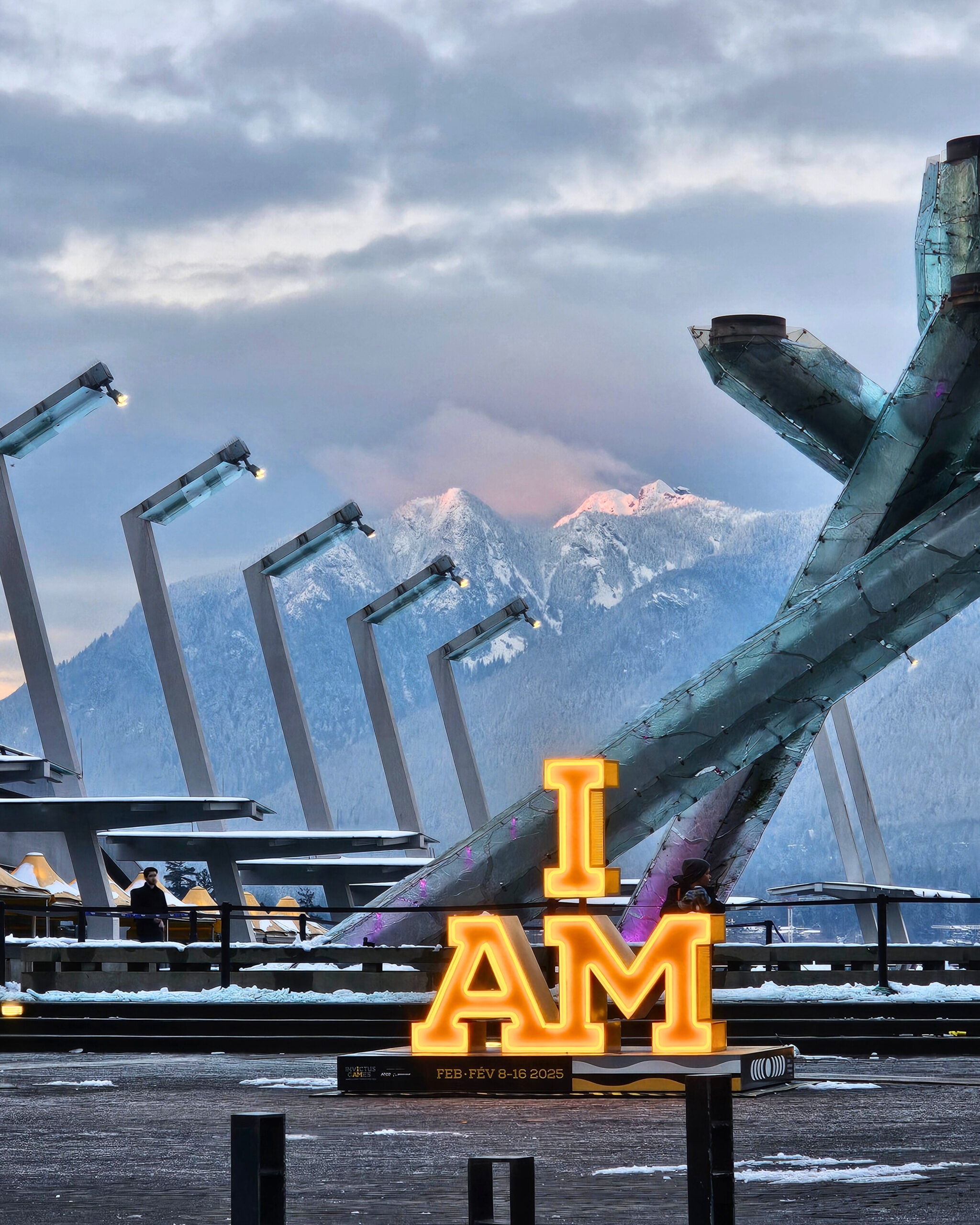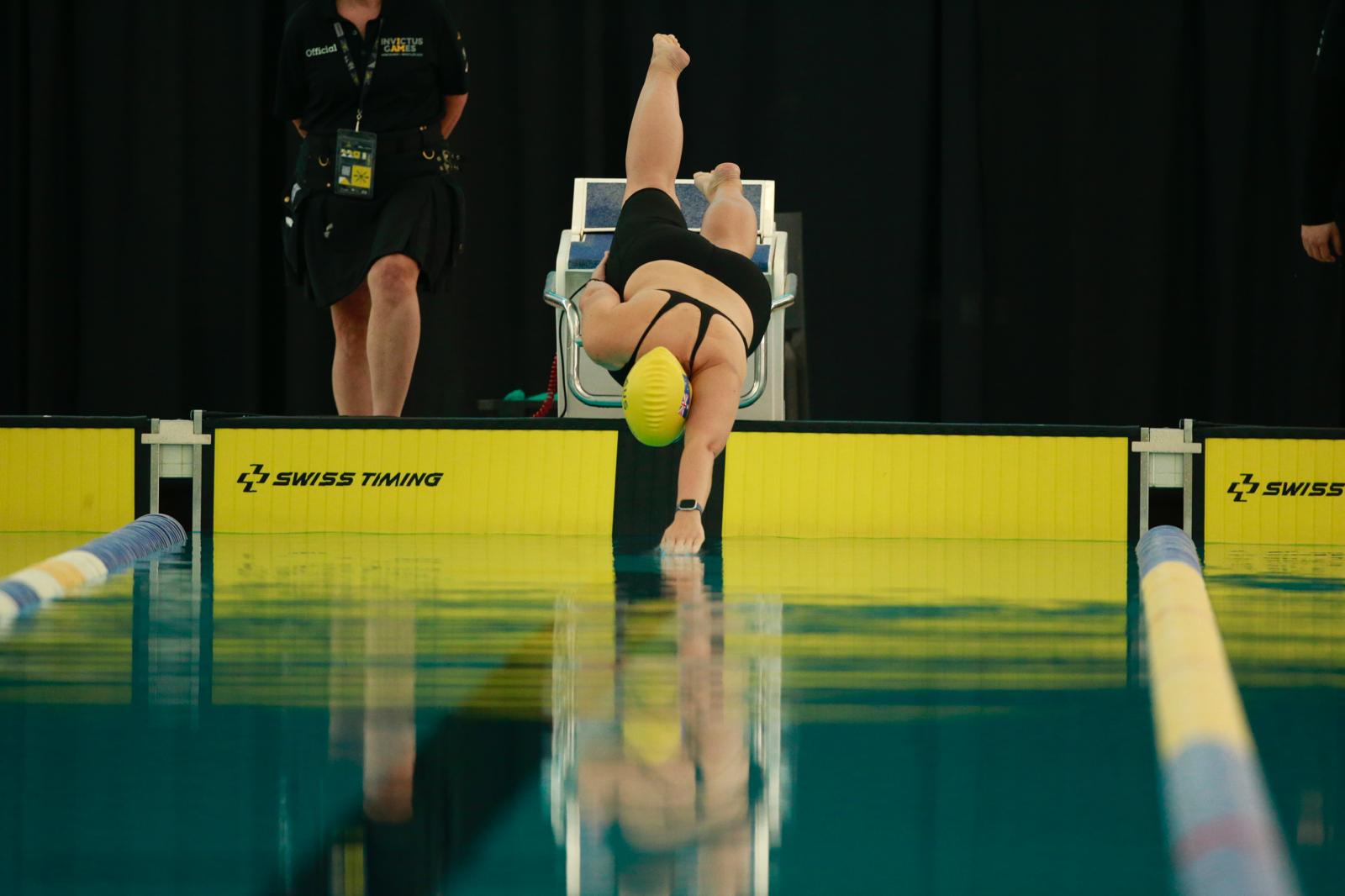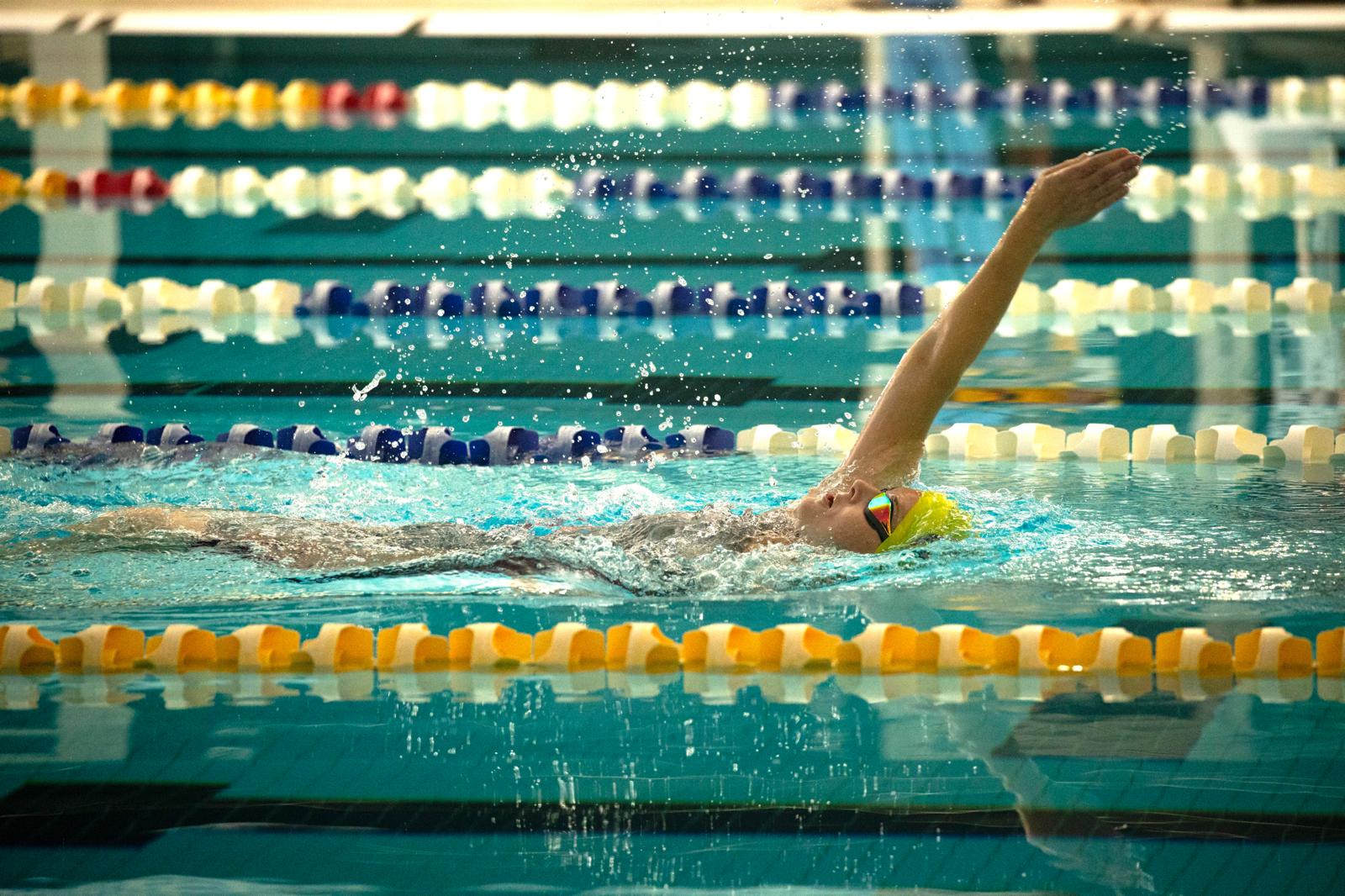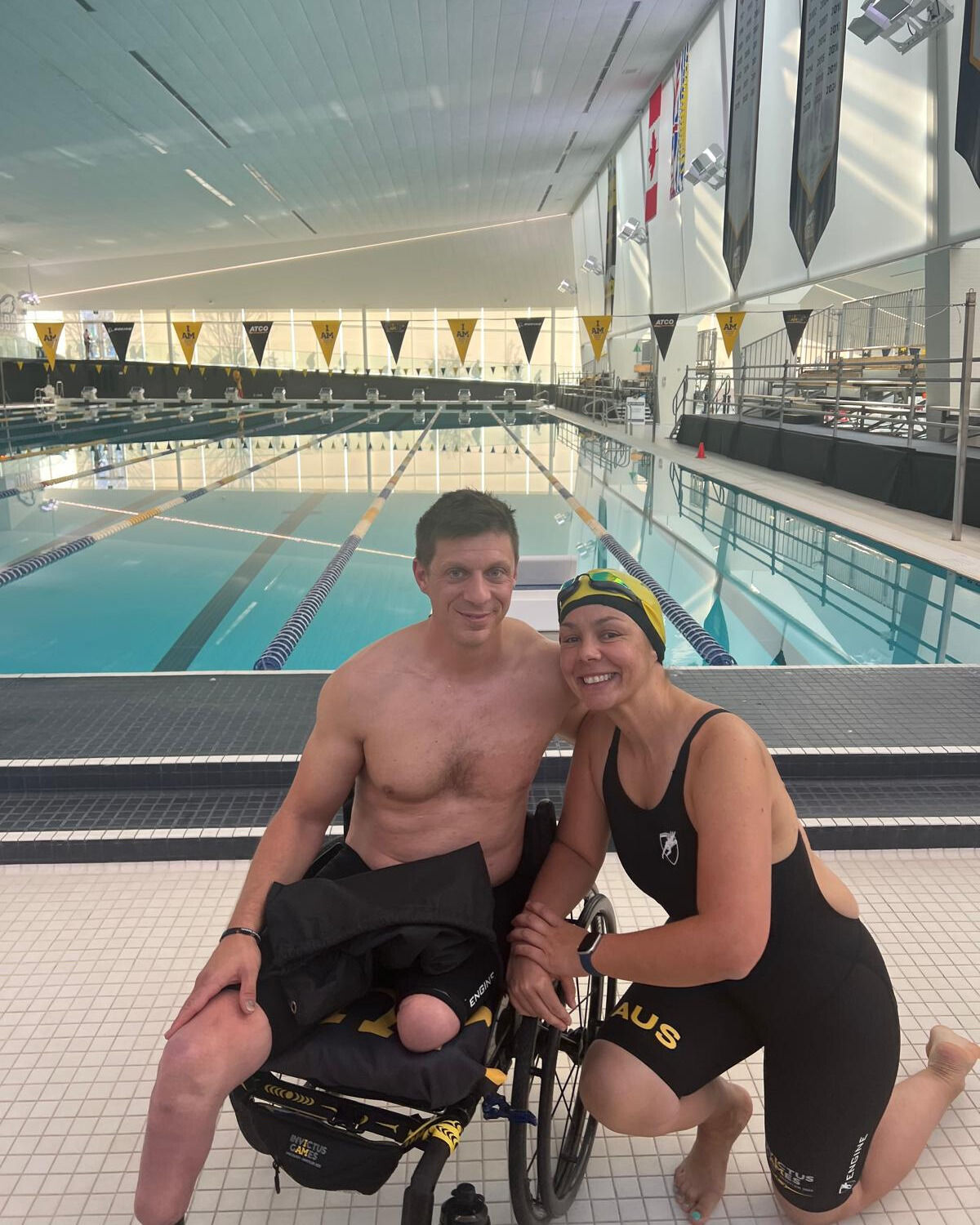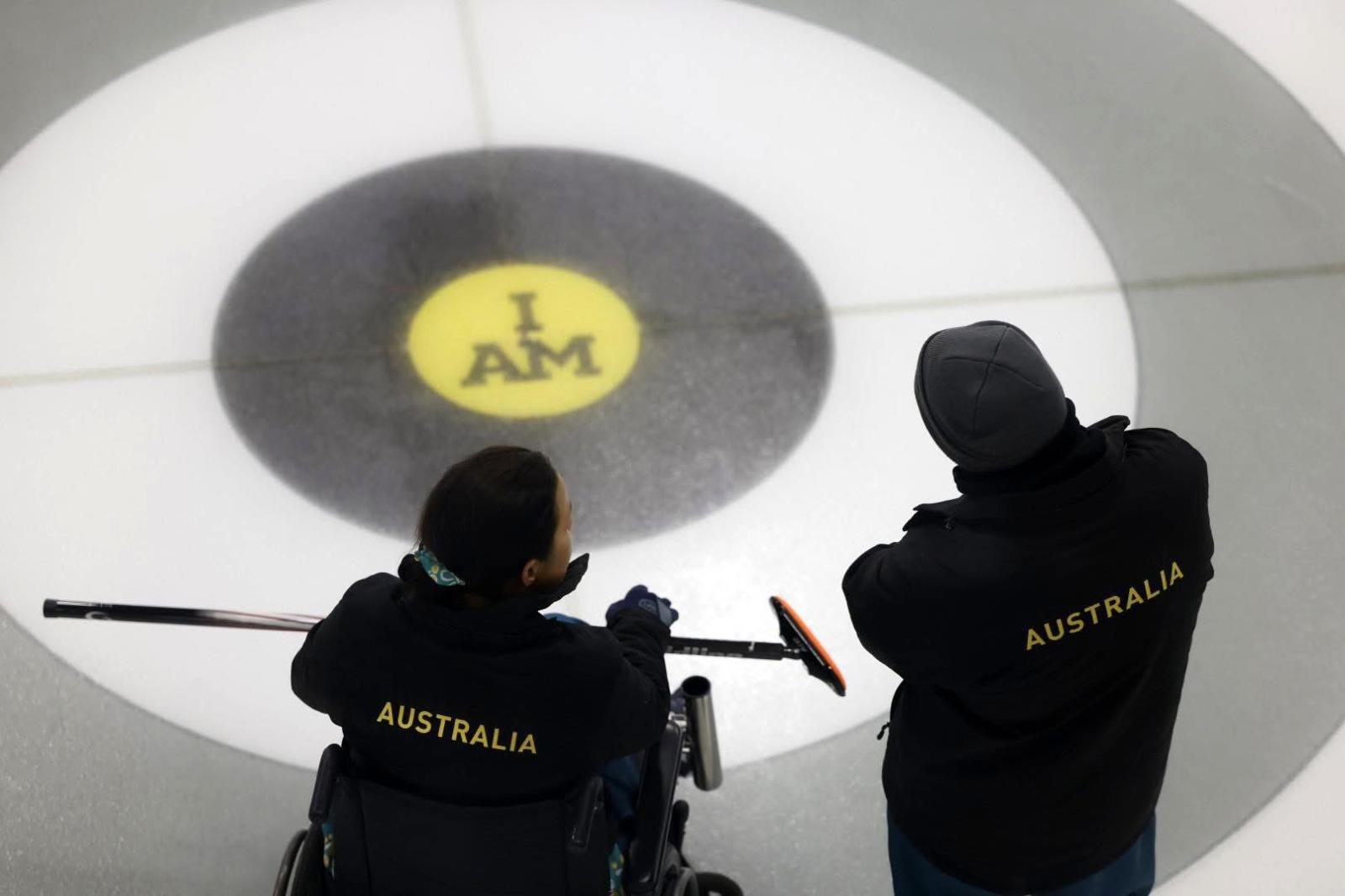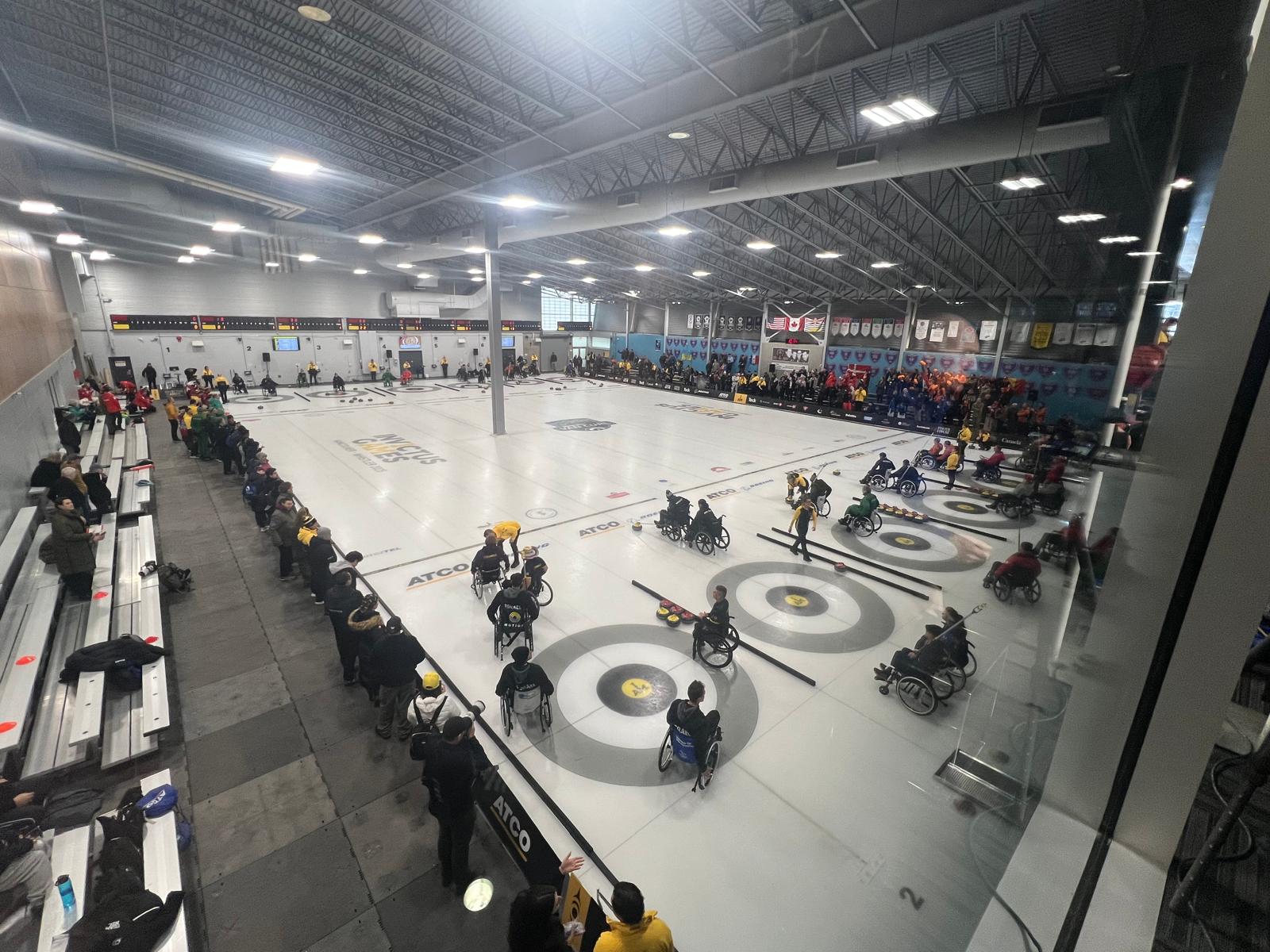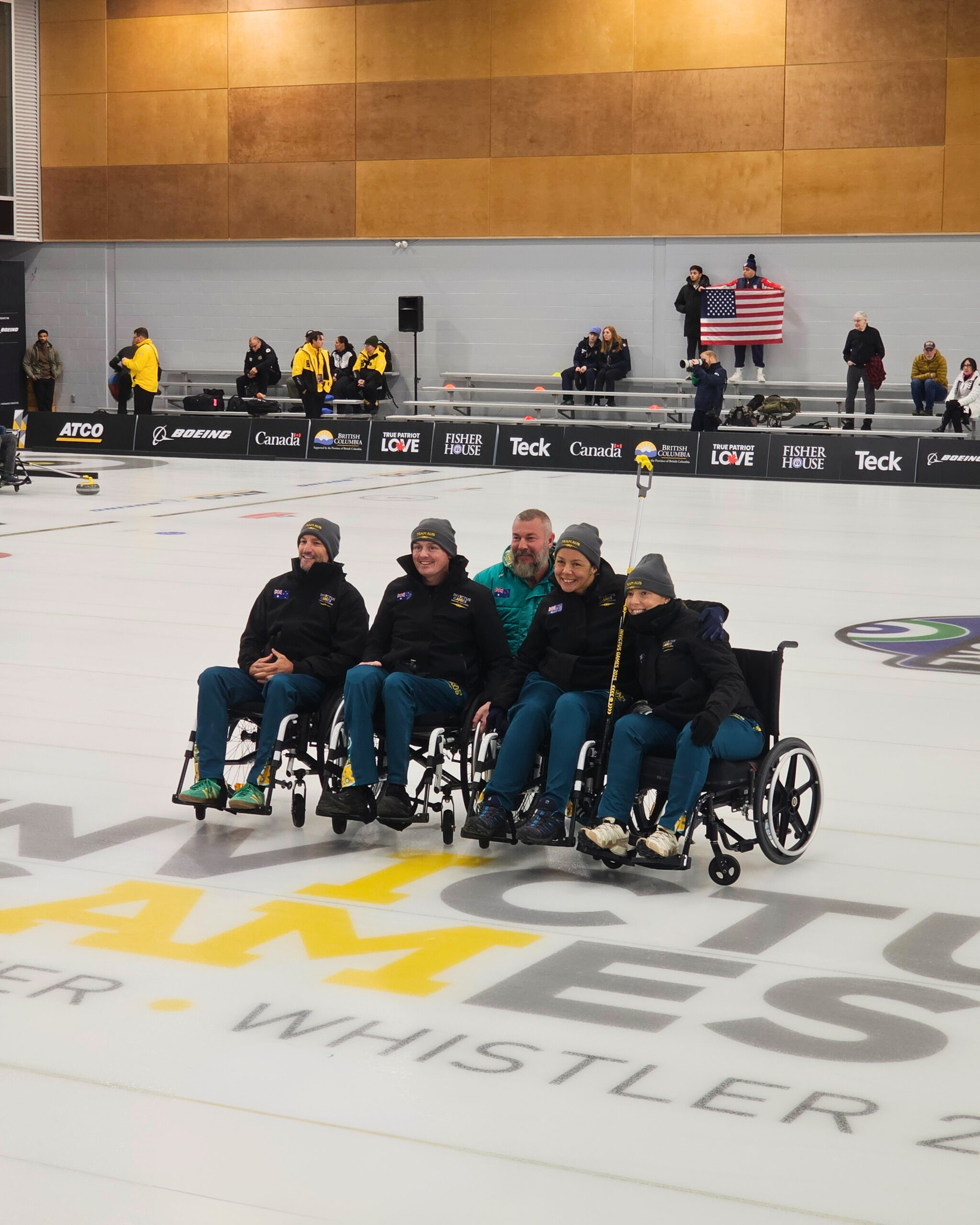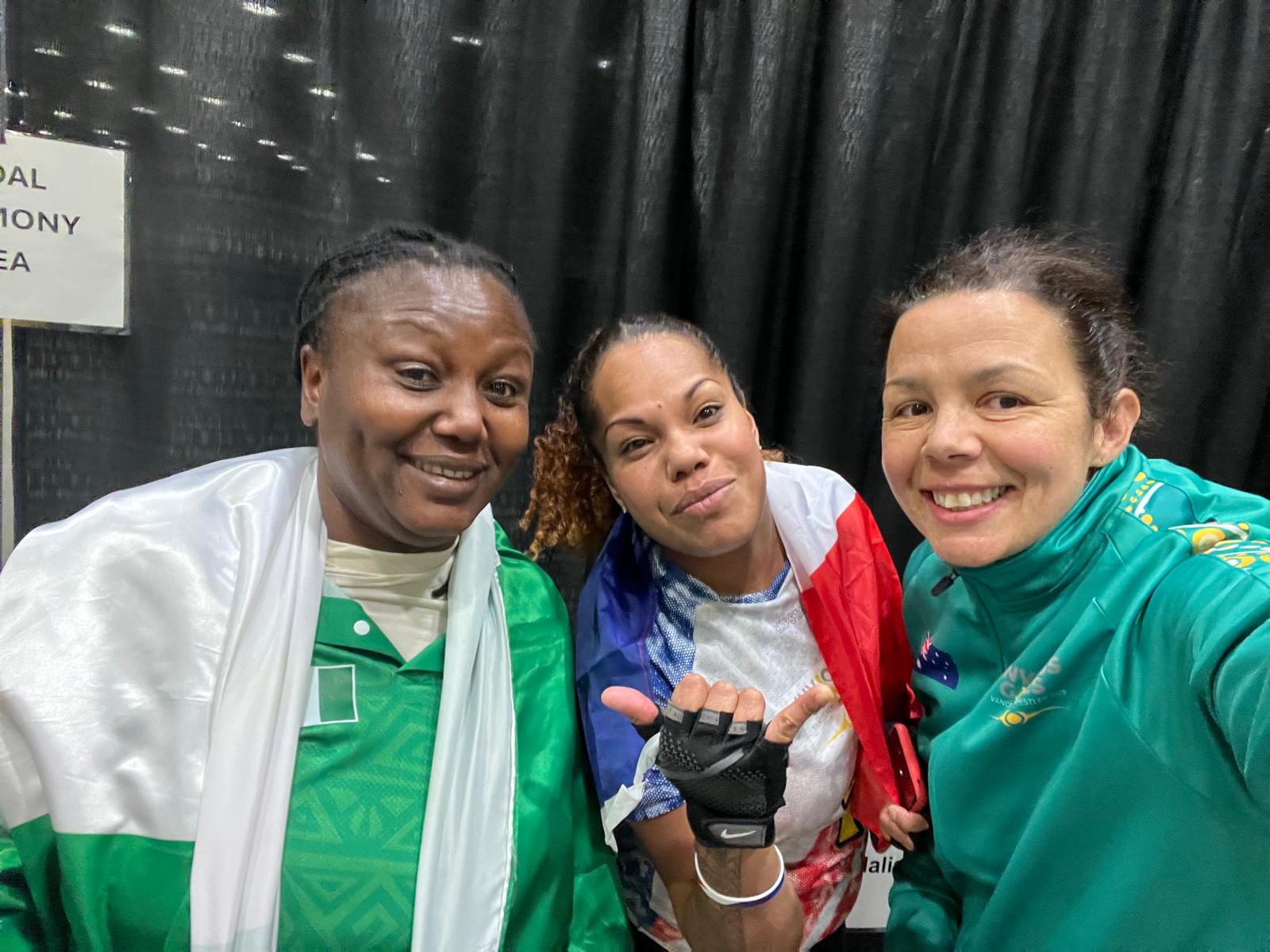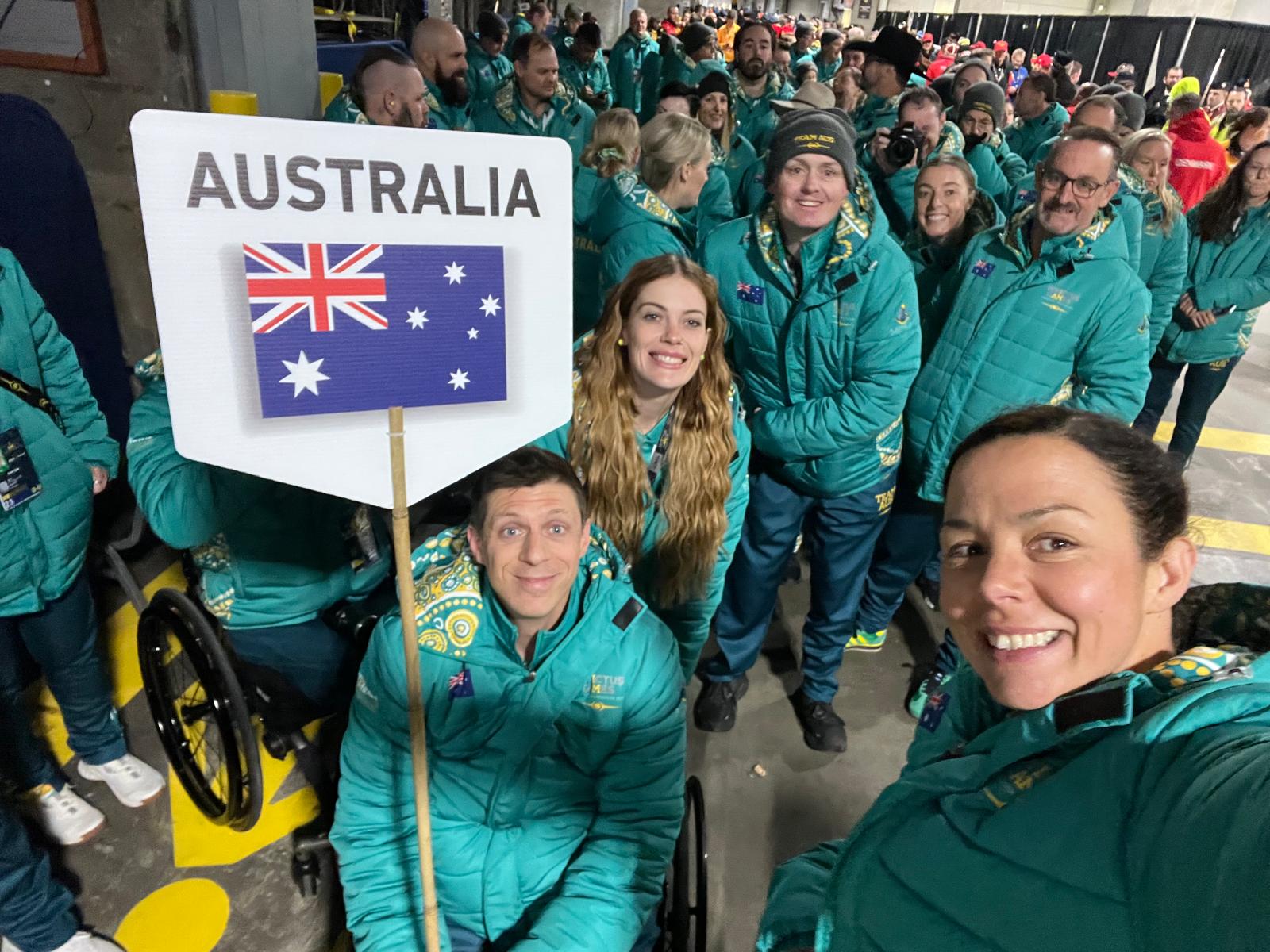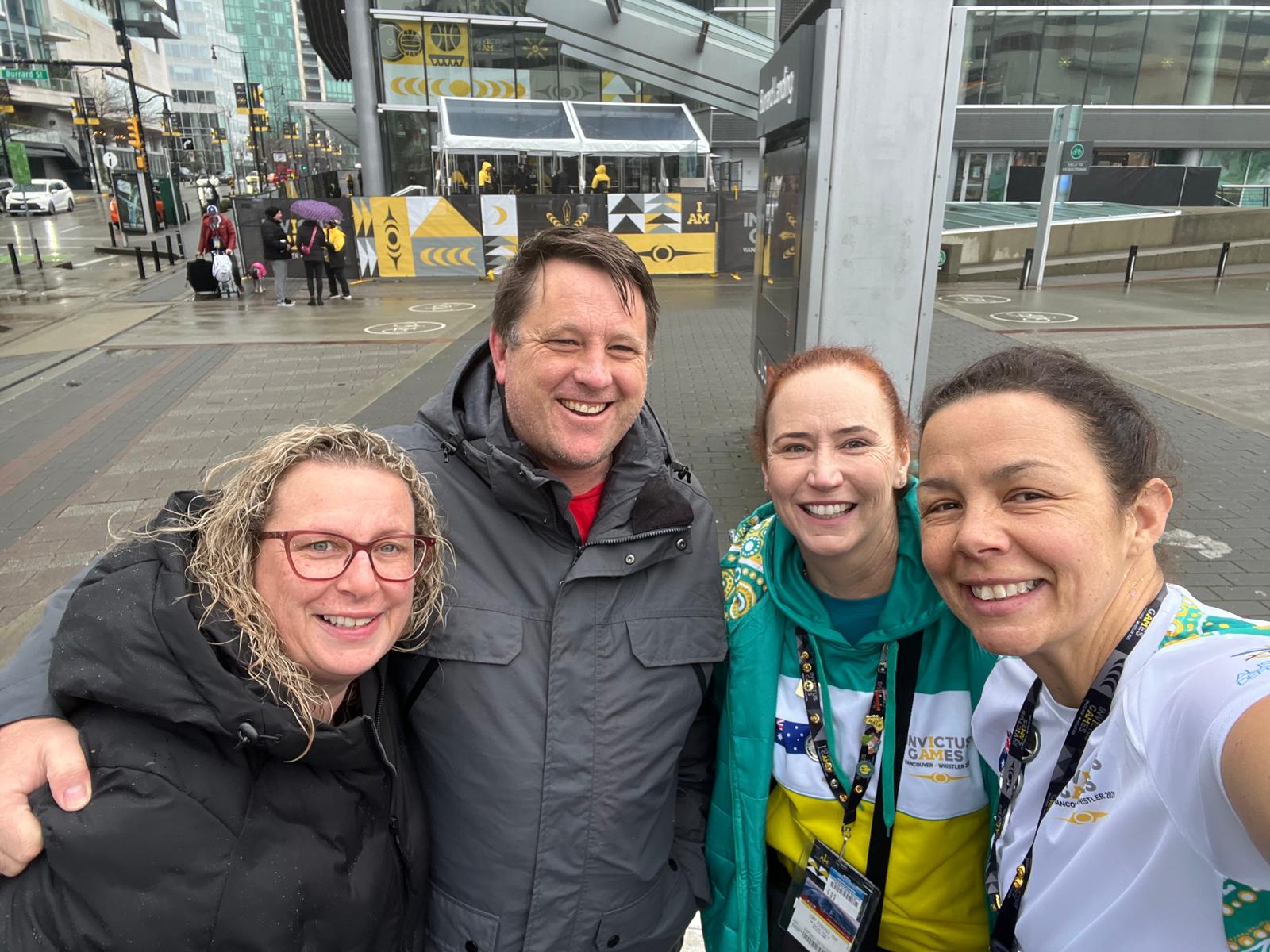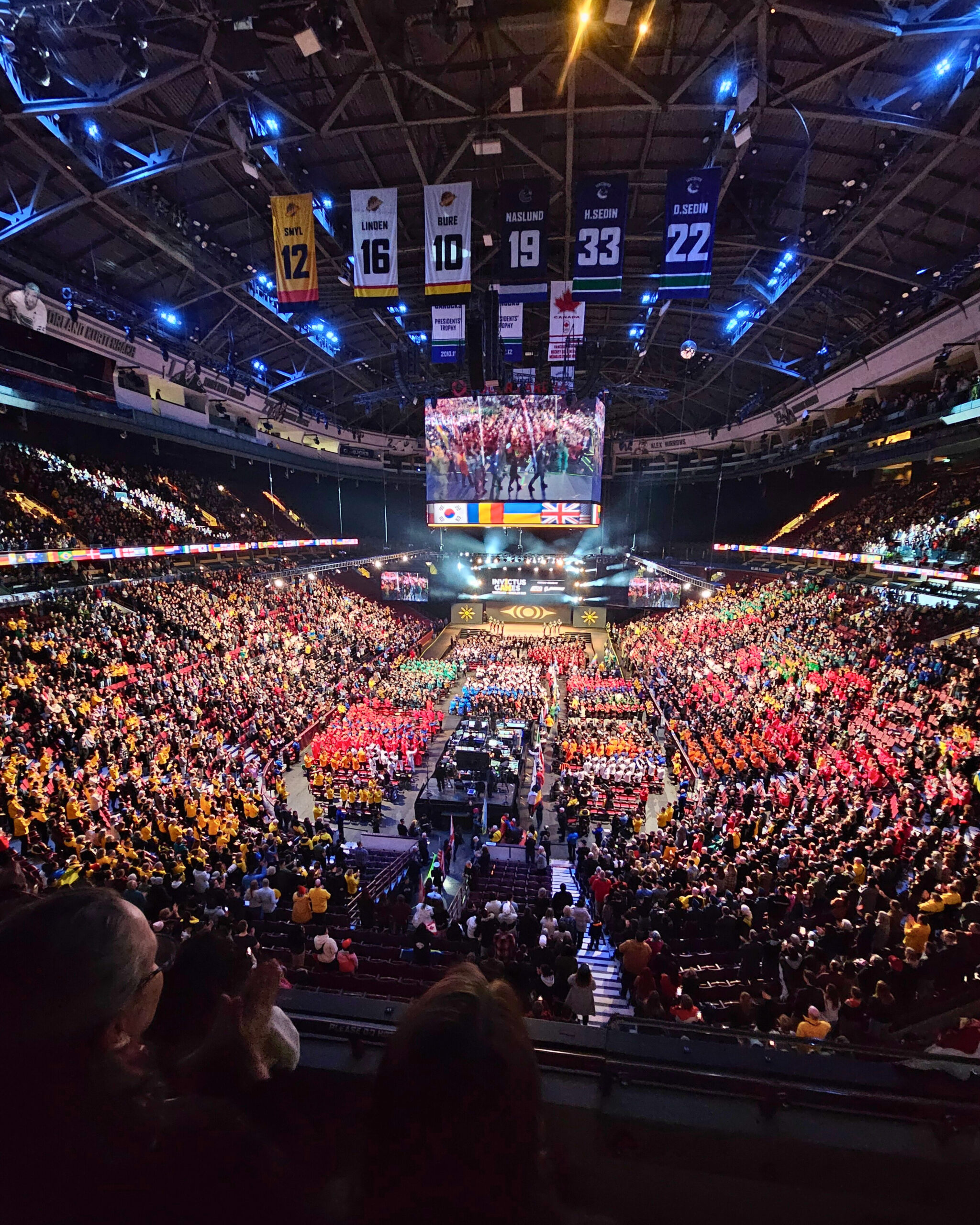
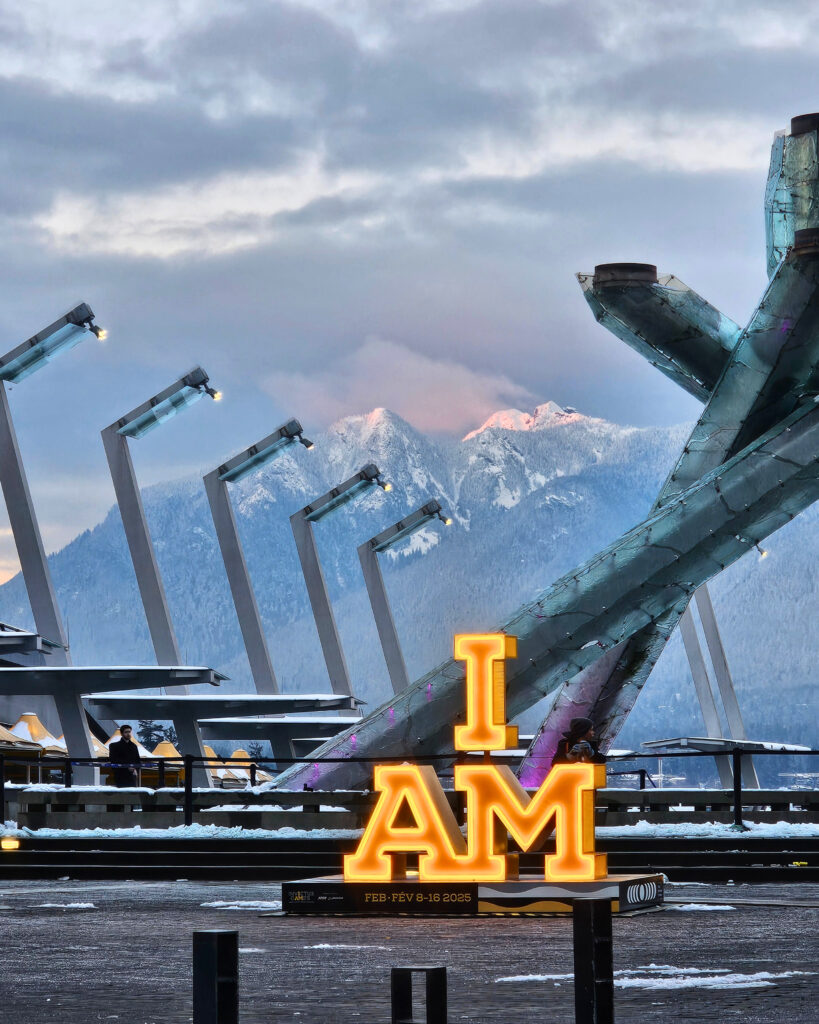
This week marks one year since the inaugural Invictus Winter Games, an international event that brought together wounded, injured and ill current and former service personnel from around the world. Founded in 2014 by Prince Harry, The Duke of Sussex, the Invictus Games were created to use the power of sport to support recovery, rehabilitation, and renewed purpose for those whose lives have been impacted by service.
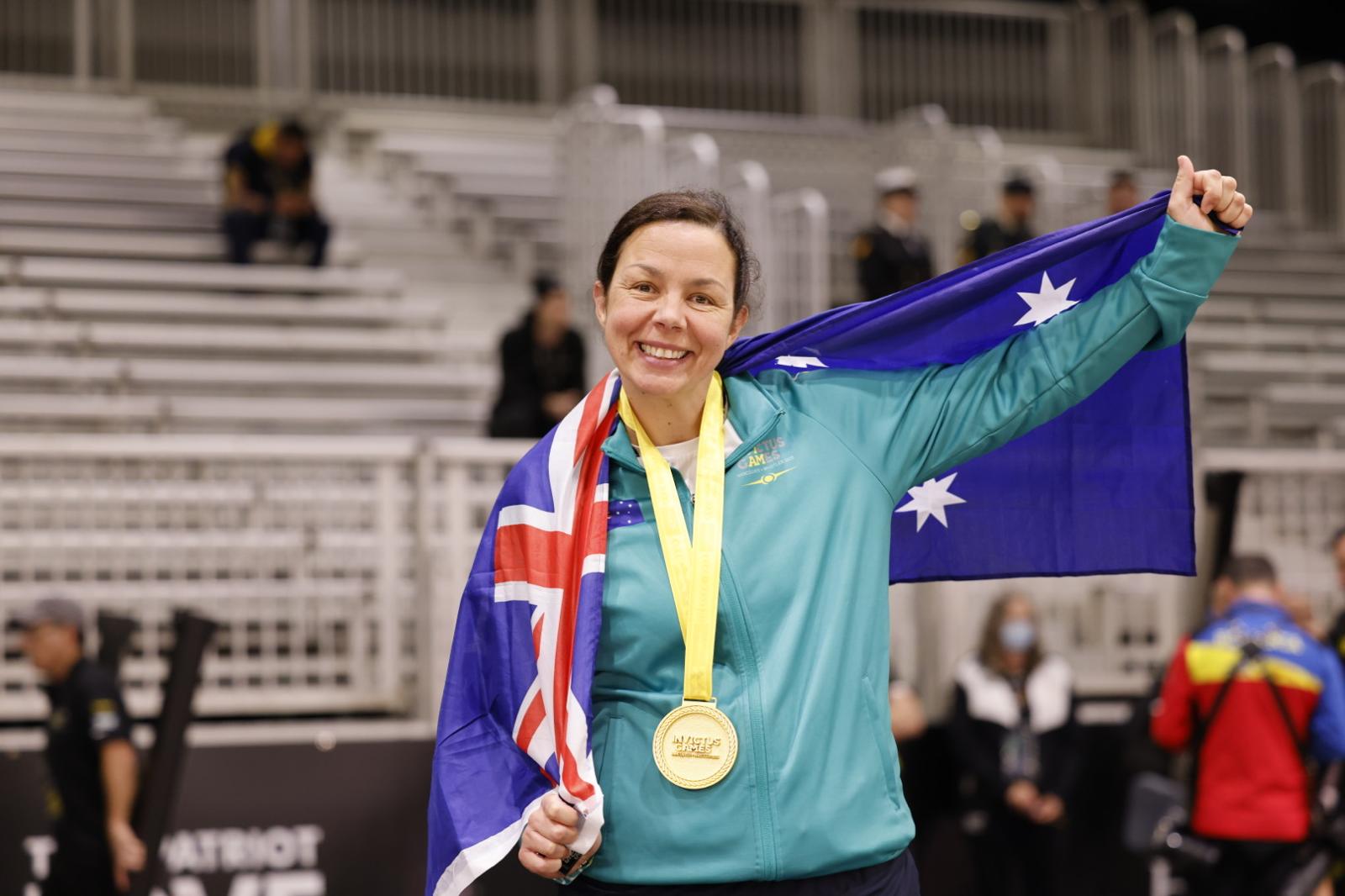
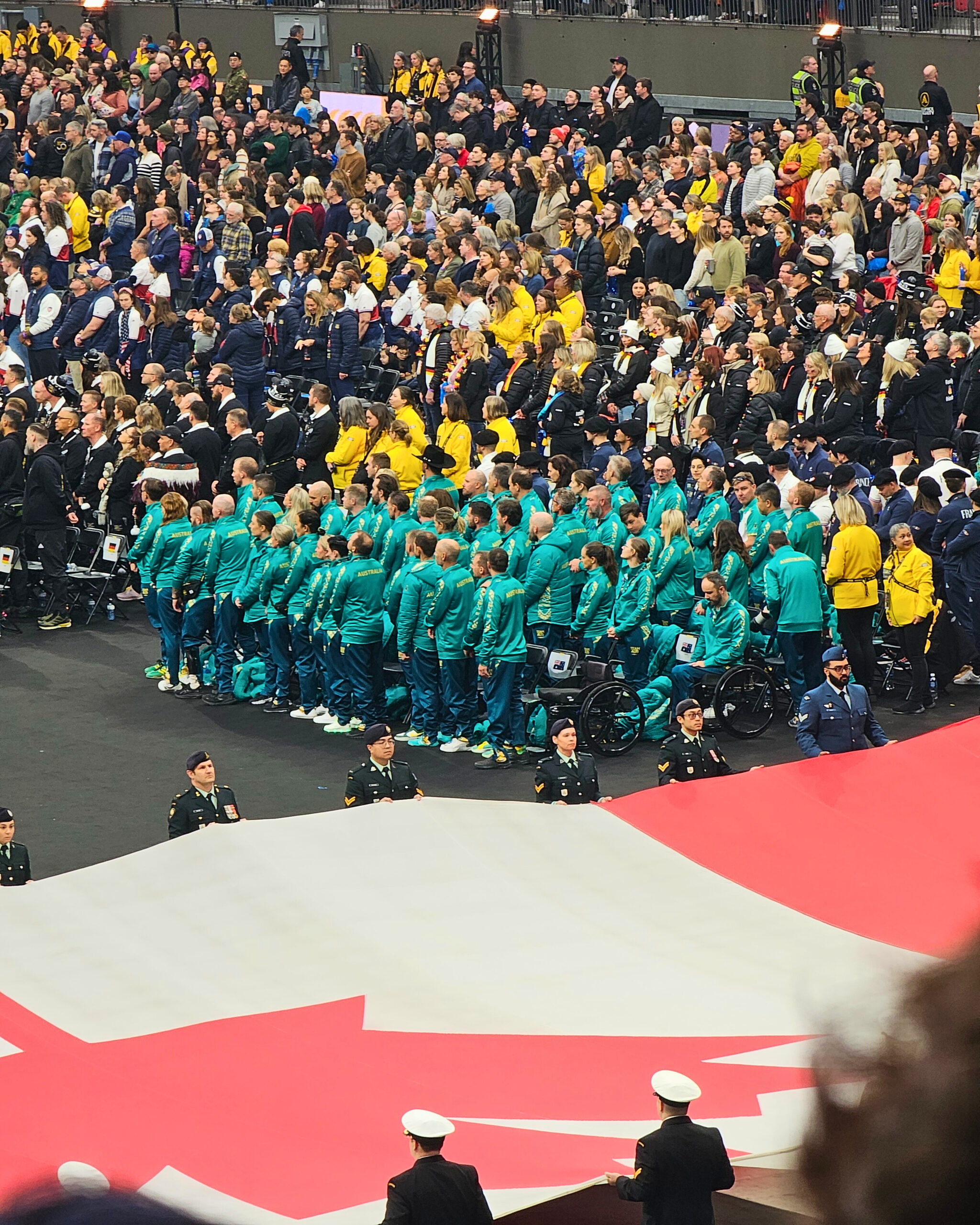
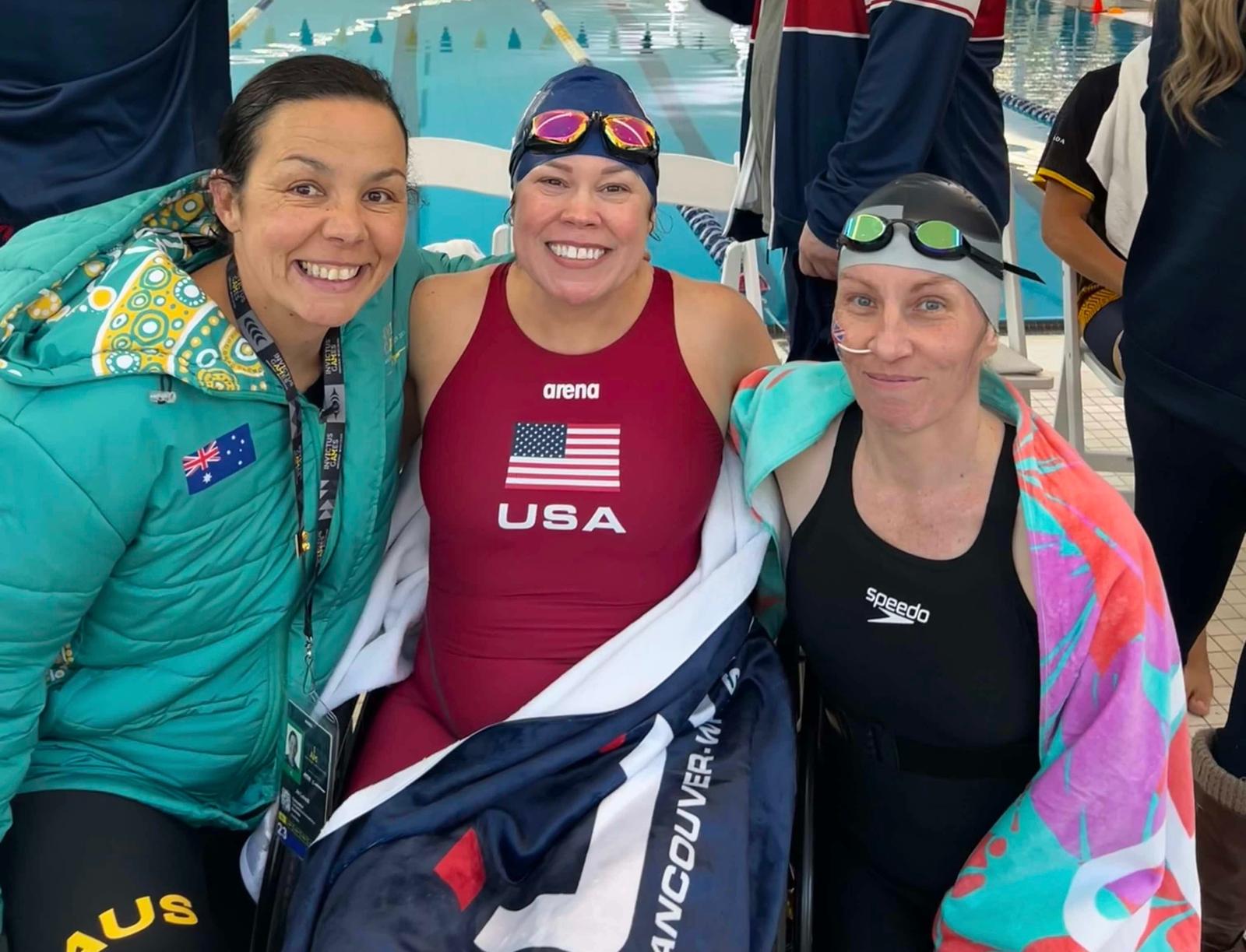
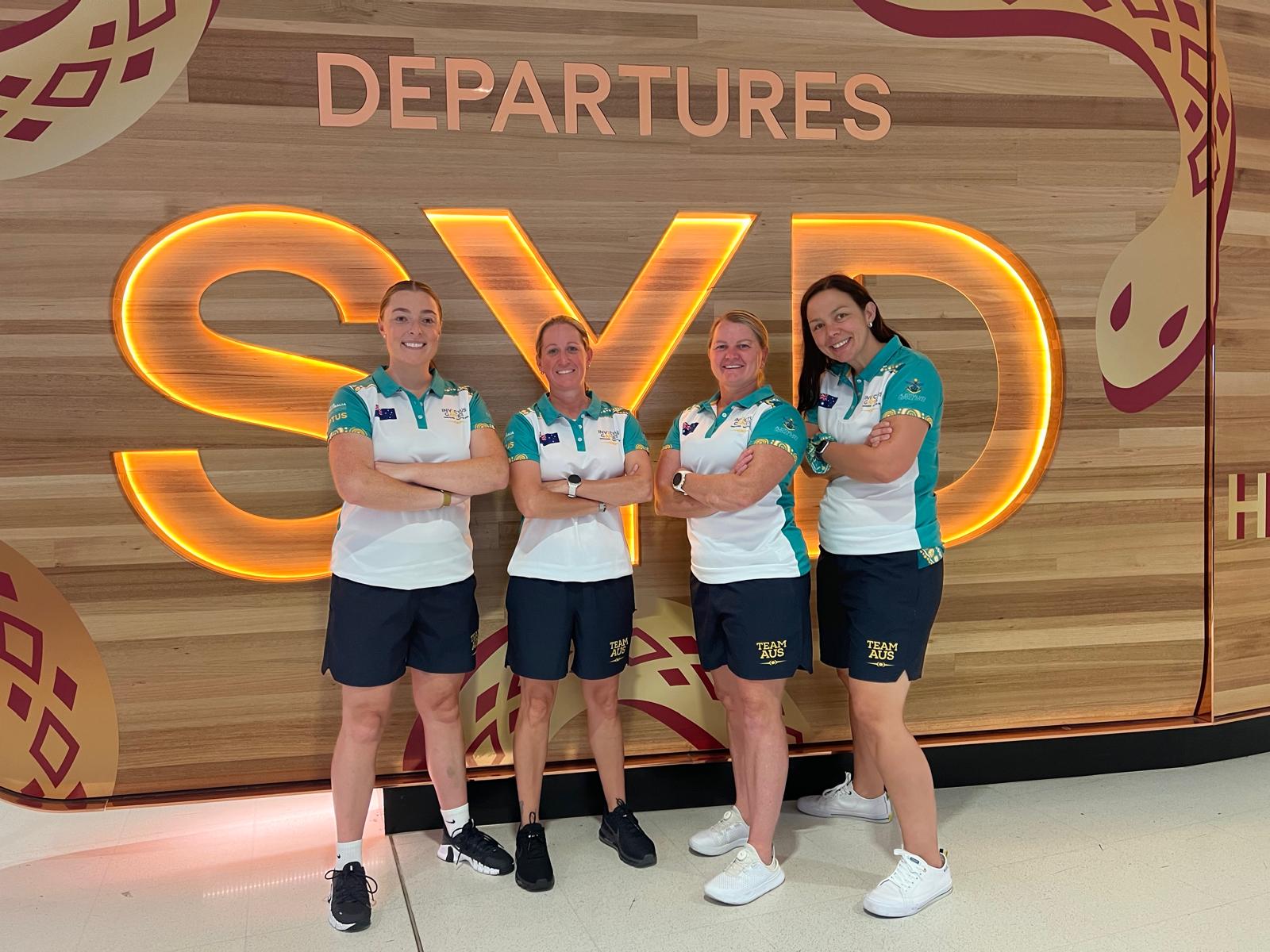
For The Veterans’ & Families’ Centre, the milestone holds special significance. Outreach Coordinator Jo Lovell travelled to Vancouver, Canada, as part of Team Australia, joining fellow veterans in representing their country and standing together in the spirit of resilience, determination, and mutual support that defines the Invictus community.
While the Games include competition across a range of sports, the true focus of Invictus is connection. Athletes compete alongside people who understand the physical and psychological challenges of service-related injury or illness, creating an environment built on encouragement, shared experience, and genuine respect.
For Jo, the most powerful memory was not a single event, but the sense of belonging that came from being part of something larger than herself.
“The moment that stands out most is standing alongside other competitors who had all faced their own battles, yet were smiling, encouraging each other, and genuinely proud just to be there. It wasn’t about medals. It was about shared understanding. That sense of belonging, surrounded by people who get it, is something I will never forget.”
Representing Australia as part of a national team carried deep personal meaning.
“It meant carrying not just my own story, but the stories of every veteran who has struggled, adapted, and kept going. It was an honour that came with a responsibility to show that recovery is possible, that service continues in different ways, and that we still have value and purpose beyond our uniform.”
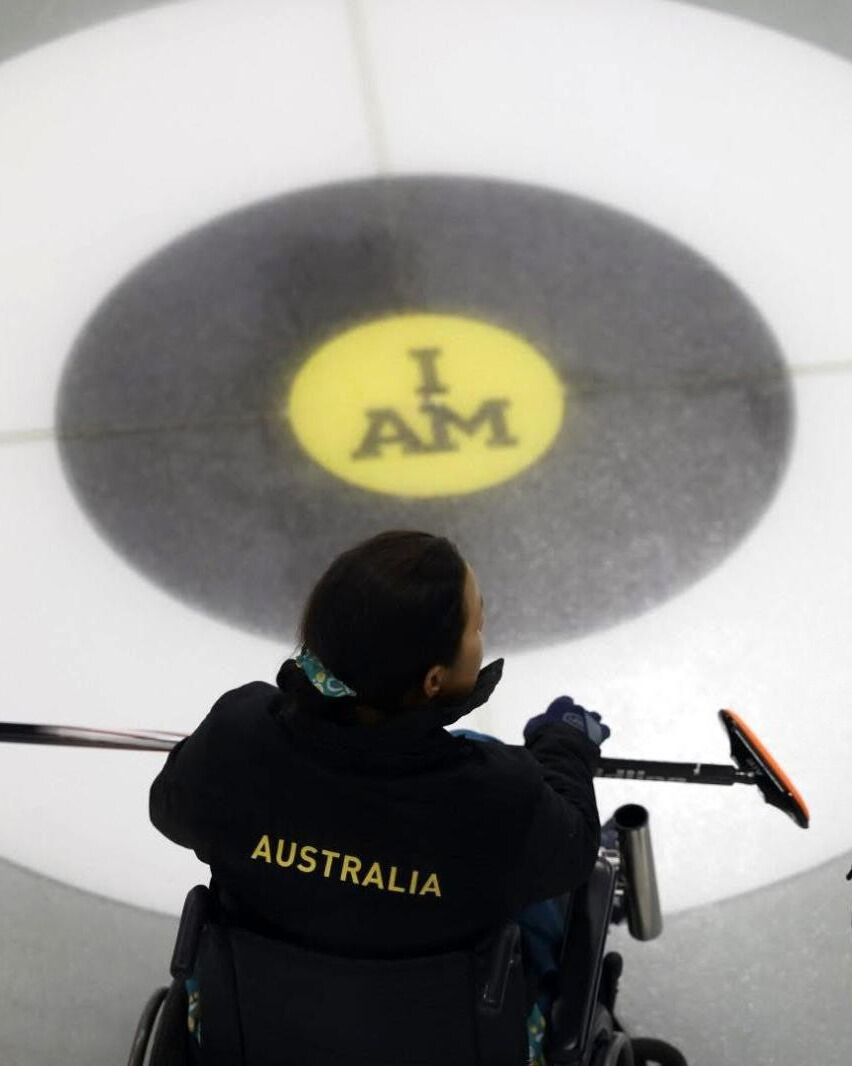
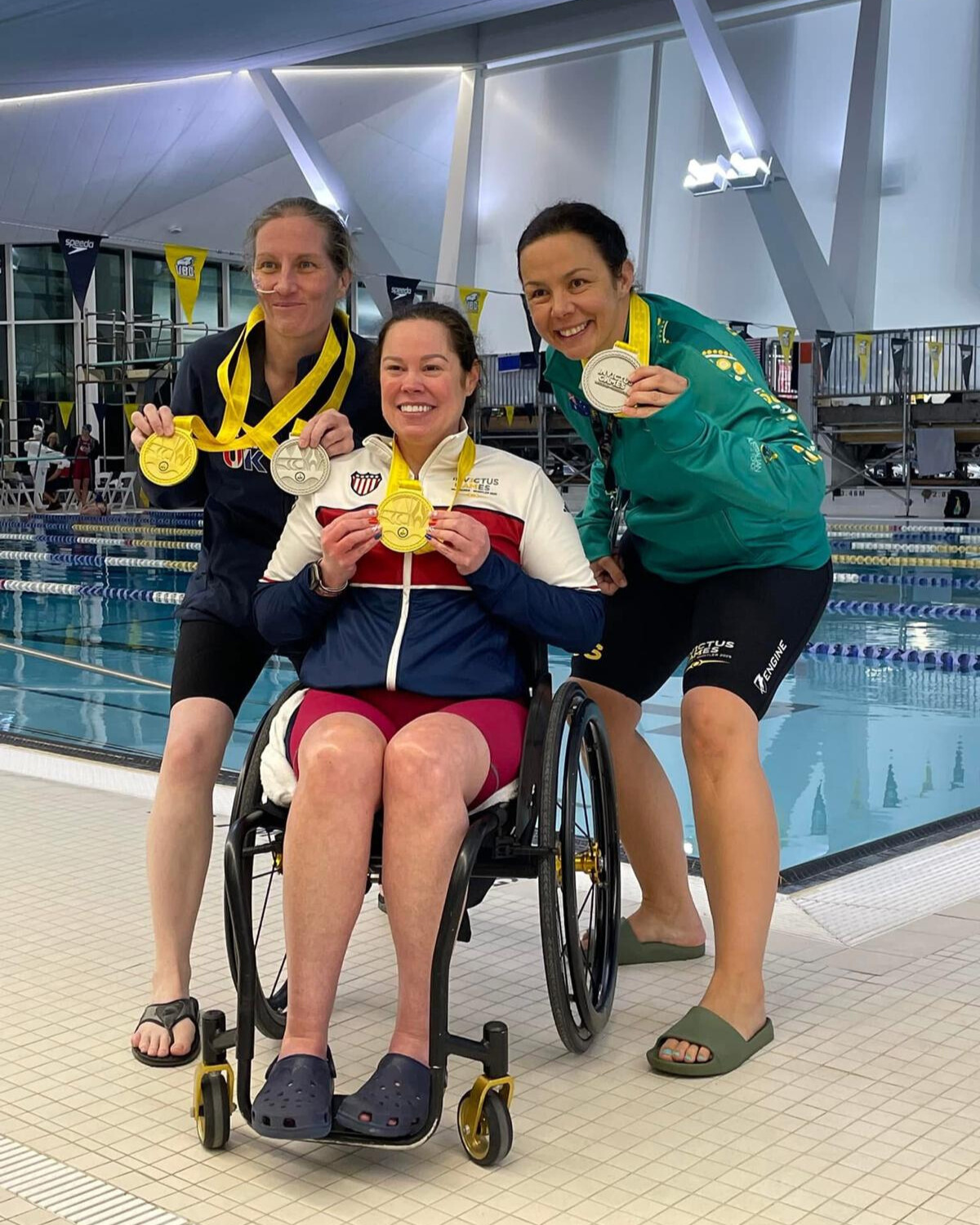
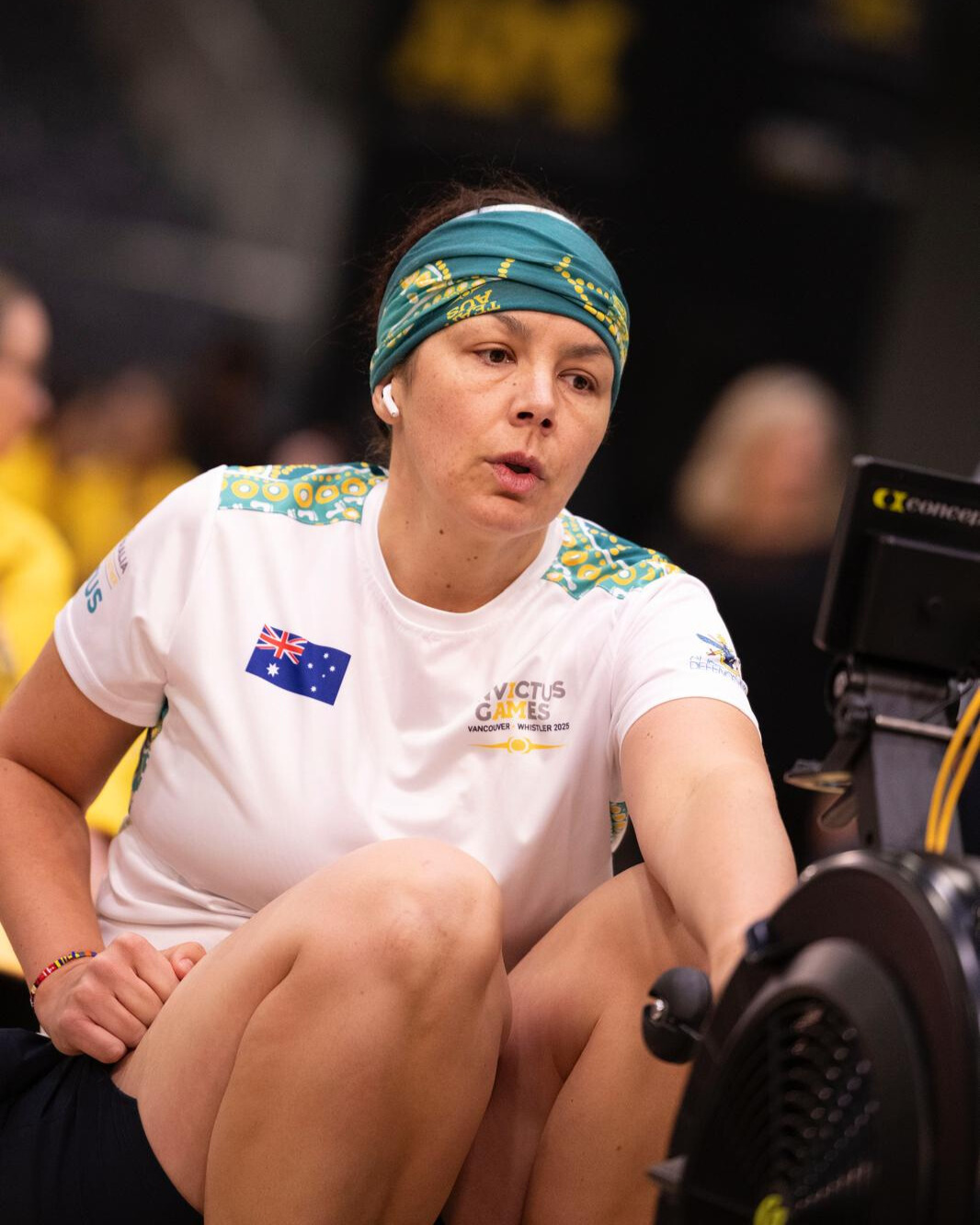
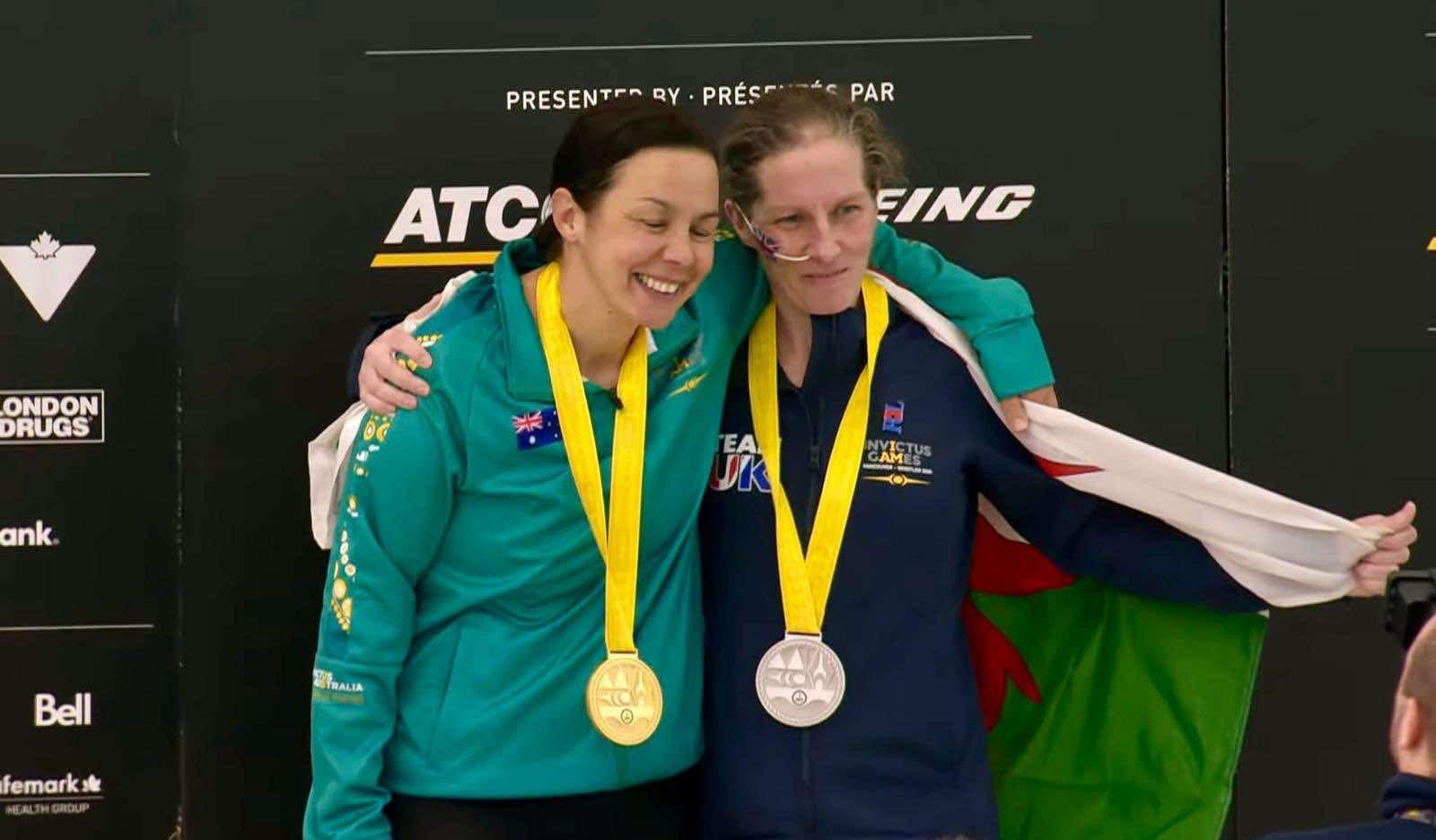
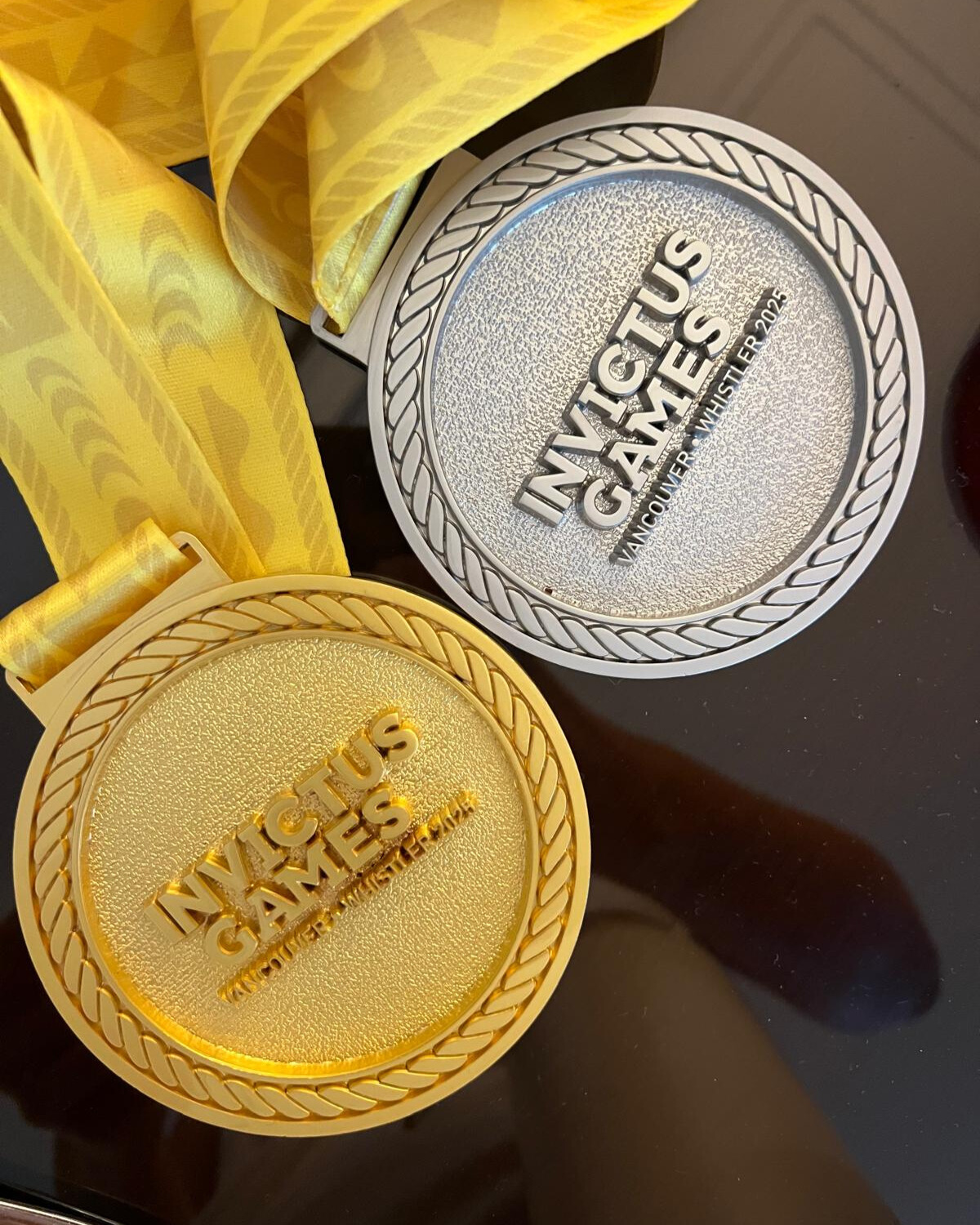
During the Games, Jo competed across multiple events, achieving strong results in indoor rowing and swimming, including gold medals in the four-minute row and freestyle events, along with silver medals in the one-minute row, breaststroke, and backstroke. She also took part in curling and alpine skiing, embracing the full team experience and the opportunity to challenge herself across new disciplines.
While the achievements were significant, the lasting impact of the experience has extended far beyond competition. One year on, Jo reflects that Invictus continues to shape how she approaches both challenges and opportunities.
“It reinforced that progress isn’t always fast or perfect, but it is always worth pursuing. It gave me confidence to step into more advocacy, leadership, and community engagement roles, knowing the impact shared experience can have.”
Since returning from the Games, Jo has continued to stay active and explore new ways to support her wellbeing. She has taken up adaptive dragon boating and pickleball, developed a strong interest in hiking, and maintained regular training.
“Exploring different activities helps build fitness, but just as importantly, it keeps the social connection that comes with being part of a team or community. It’s not just about performance, it’s about maintaining wellbeing, staying motivated, and continuing the journey that Invictus started.”
The Invictus environment also played an important role in rebuilding confidence and trust in both body and mind.
“It provided a safe space to push limits without judgement. Physically, it gave me structure, goals, and accountability. Mentally, it restored confidence and reminded me that setbacks don’t define capability. The greatest benefit has been reconnecting with a sense of identity and purpose.”
The experience shifted Jo’s perspective on the future, moving the focus away from what had been lost through service and toward what could still be contributed.
“It helped me see that my future isn’t limited by my injuries or experiences, but shaped by how I choose to use them to support others.”
Throughout the journey, community support played a critical role. Encouragement from family, teammates, local organisations, and the broader veteran community made participation possible at every stage.
“Recovery is never done alone. Knowing people are behind you makes the difference between stepping forward and stepping back.”
The Veterans’ & Families’ Centre was an important part of that support network, providing practical assistance, encouragement, and a community that understands the realities of balancing recovery, family life, and service identity. Today, Jo’s connection with the Centre has come full circle.
Being part of the Centre now means giving back, helping create the same opportunities for connection, purpose, and belonging that shaped her own journey. Through her role, she continues to reach veterans and families across Tasmania, ensuring they know they are not alone and that support is available.
“For me, being part of the Centre isn’t just a role. It’s a responsibility and a commitment to stand beside other veterans and their families, to walk with them on their journey, and to help them rediscover purpose, connection, and hope.”
One year on, the legacy of the Invictus Winter Games lives on, not only in medals or memories, but in the confidence, leadership, and community impact that continues long after the closing ceremony. Jo’s journey reflects the true spirit of Invictus: resilience through connection, recovery through community, and the understanding that service to others can take many forms.
At The Veterans’ & Families’ Centre, that spirit continues every day, supporting veterans and families as they rebuild, reconnect, and move forward together.